Real User Reviews: Are Budget MVNOs Like Circles.Life and GIGA Worth It?

Margaret Whitfield
8 June 2026
Real User Reviews: Are Budget MVNOs Like Circles.Life and GIGA Worth It?
Introduction
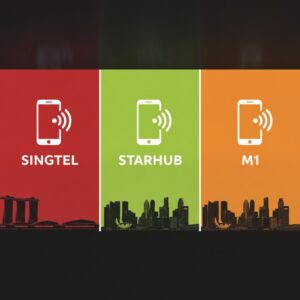
Singapore’s mobile market has undergone a quiet revolution. Over the past few years, Mobile Virtual Network Operators (MVNOs) — budget telcos that piggyback on the networks of Singtel, StarHub, and M1 — have exploded in popularity. Names like Circles.Life, GIGA, CMLink, Redone, and Zero Mobile now compete fiercely for your attention, promising massive data plans at a fraction of the cost charged by the Big Three.
But here’s the million-dollar question: are these budget MVNOs actually worth it? Do they deliver reliable coverage, decent speeds, and responsive customer service — or are you sacrificing too much for those monthly savings?
We scoured forums, social media threads, app store reviews, and community groups to compile honest, real user reviews from everyday Singaporeans. Whether you’re considering a switch or just curious about the MVNO landscape, this deep dive will give you the unfiltered truth.
What Exactly Are MVNOs and How Do They Work?
Before diving into reviews, let’s quickly clarify what MVNOs are and why they can offer cheaper plans.
An MVNO — or Mobile Virtual Network Operator — doesn’t own physical network infrastructure like cell towers or spectrum. Instead, it leases network capacity from a major carrier (known as the MNO, or Mobile Network Operator) and resells it under its own brand.
In Singapore, the MVNO landscape looks like this:
| MVNO | Host Network | Notable Feature |
|——|————-|—————-|
| Circles.Life | M1 Network | App-first, flexible plans |
| GIGA | StarHub Network | Ultra-affordable data plans |
| CMLink | StarHub Network | Popular with Chinese expats |
| Zero Mobile | Singtel Network | SIM-only simplicity |
| Redone | StarHub Network | Rewards-based ecosystem |
Because MVNOs have lower overhead costs — no retail stores, no infrastructure maintenance, and lean digital operations — they pass those savings on to consumers. However, during periods of network congestion, MVNO traffic may be deprioritised compared to the host network’s own subscribers. This is the trade-off that most real users talk about.
Circles.Life: The Pioneer MVNO — What Real Users Say
Circles.Life launched in 2016 and quickly became Singapore’s most recognisable MVNO. Running on the M1 network, it built its reputation on generous data allowances, no-contract flexibility, and a slick mobile app.
The Pros According to Users
- Generous data plans: Many users praise the value-for-money data bundles. Plans offering 20GB, 50GB, or even 100GB+ at competitive prices are frequently highlighted.
- No contract lock-in: The ability to cancel anytime without penalty is a major draw. As one Reddit user put it:
- Easy sign-up process: The fully digital onboarding — order a SIM online, receive it by mail, activate via app — earns consistent praise.
- Referral bonuses: Circles.Life’s referral programme has been called “genuinely rewarding” by users who’ve earned free data or bill credits.
- Speed throttling during peak hours: This is the most common complaint. Multiple users on HardwareZone and Reddit report noticeably slower speeds during lunch hours (12–2pm) and evening rush (6–9pm).
- Customer service frustrations: Several users describe long wait times on the in-app chat and difficulty reaching a human agent. Automated responses don’t always resolve complex billing issues.
- Bill shock from add-ons: Some users report unexpected charges from data booster add-ons they didn’t realise were auto-renewed. Always check your plan settings in the app.
- Coverage gaps in certain areas: While M1’s network is generally solid, a few users in areas like Tuas, parts of Jurong, and underground car parks report weaker signals compared to Singtel.
- Rock-bottom pricing: GIGA’s plans are among the most affordable in Singapore. Users frequently cite the $8–$18/month range as a key reason for switching.
- Simple, no-nonsense plans: Users appreciate the straightforward plan structure with no hidden fees or complicated tier systems.
- Decent coverage via StarHub: StarHub’s network is well-regarded in Singapore, and most GIGA users report satisfactory coverage across the island.
- eSIM support: Tech-forward users appreciate GIGA’s eSIM option, which allows instant activation without waiting for a physical SIM card.
- Noticeable speed deprioritisation: This is even more pronounced with GIGA than with Circles.Life, according to user reports. During congested periods, some users report speeds dropping below 5 Mbps.
- Limited customer support channels: GIGA’s lean operation means customer service options are limited. Email response times can stretch to 48–72 hours.
- No physical stores: If you prefer face-to-face support or need to resolve an issue urgently, GIGA’s purely digital model can be frustrating.
- Occasional porting issues: A handful of users report delays when porting their number from another carrier to GIGA, sometimes taking 2–3 business days instead of the promised 24 hours.
- Primarily use your phone on Wi-Fi (at home, office, or school)
- Want to save $20–$50 per month on your mobile bill
- Don’t need blazing-fast mobile speeds at all times
- Are comfortable with digital-only customer service
- Don’t need a subsidised phone (you already own your device)
- Value flexibility over long-term contracts
- Rely heavily on mobile data for work (e.g., video calls, large file uploads)
- Need consistent, high-speed connectivity throughout the day
- Prefer in-store support and face-to-face troubleshooting
- Want bundled deals with device subsidies or home broadband
- Frequently travel to remote parts of Singapore where coverage matters
- Test before you commit: Many MVNOs offer short-term or trial plans. Use these to test coverage and speed in your daily locations — home, office, MRT route — before fully committing.
- Monitor your data usage first: Check your current data consumption in your existing carrier’s app. Many people overestimate how much data they need, especially if they’re on Wi-Fi most of the day.
- Avoid auto-renewal add-ons: Carefully review your plan settings in the MVNO app. Disable any auto-renewing data boosters unless you explicitly want them.
- Use speed test apps: Download apps like Speedtest by Ookla and run tests at different times of day during your trial period. This gives you real data on what to expect.
- Keep your old SIM active during porting: Don’t cancel your existing plan until your number has been fully ported to the new MVNO. This prevents any gap in service.
- Join community groups: Facebook groups and Reddit communities like r/singapore often have active MVNO discussion threads where users share real-time feedback on outages, promotions, and tips.
“I switched to Circles.Life because I hated being locked into a 2-year contract. The freedom to leave whenever I want gives me peace of mind.”
The Cons According to Users
“Streaming Netflix during peak hours is a gamble. Sometimes it’s fine, sometimes it buffers endlessly. Off-peak, though, speeds are great.” — Circles.Life user on Reddit
Overall User Sentiment: 7/10
Circles.Life remains a solid choice for data-hungry, digitally savvy users who primarily use their phones in well-covered urban areas and don’t mind occasional speed dips.
GIGA: The Ultra-Budget Contender — What Real Users Say
GIGA entered the Singapore market with an aggressive pricing strategy, offering some of the cheapest mobile plans available. Operating on the StarHub network, GIGA targets price-conscious consumers who want basic, reliable connectivity without the frills.
The Pros According to Users
“I’m paying $10 a month for 20GB. That’s less than what I used to pay for 5GB on my old Singtel plan. The savings are real.” — GIGA user review
The Cons According to Users
Overall User Sentiment: 6.5/10
GIGA is ideal for budget-first users — think students, light users, or anyone who primarily uses Wi-Fi and just needs a reliable backup connection. If you need consistently fast data speeds, it may not be the best fit.
Other MVNOs Worth Mentioning
CMLink
Popular among Chinese nationals and expats in Singapore, CMLink operates on the StarHub network and offers competitive international calling rates to China. Real users praise the affordable cross-border packages but note that the app interface and customer support are primarily in Mandarin, which can be a barrier for English-speaking users.
Zero Mobile
Running on the Singtel network — widely considered Singapore’s strongest — Zero Mobile benefits from excellent coverage. Users report better signal strength in underground MRT stations and remote areas compared to other MVNOs. However, plans are slightly pricier than GIGA, and the brand has lower awareness.
Redone
Redone uses a unique rewards-based model where users earn points for activities like watching ads or completing surveys. Reviews are mixed: some users enjoy the gamification, while others find it gimmicky and prefer straightforward pricing.
The Big Question: MVNO vs. MNO — When Should You Switch?
Based on hundreds of real user reviews, here’s a practical framework for deciding whether an MVNO is right for you:
✅ Switch to an MVNO if you:
❌ Stick with an MNO if you:
Pro Tips for Getting the Best MVNO Experience
If you decide to make the switch, here are actionable tips from experienced MVNO users:
Pro tip: If you’re a dual-SIM or eSIM user, consider running an MVNO as your secondary line for data while keeping your MNO for calls. This hybrid approach gives you the best of both worlds.
The Verdict: Are Budget MVNOs Worth It?
After analysing hundreds of real user reviews, the answer is a resounding “it depends.” But let’s break it down more helpfully:
For the majority of Singaporean consumers — especially those who spend most of their day connected to Wi-Fi — an MVNO like Circles.Life or GIGA offers genuinely significant savings with only minor trade-offs in speed during peak hours. The coverage is essentially the same as the host network, and the flexibility of no-contract plans is a major advantage.
However, power users, remote workers, and those who depend on mobile connectivity for their livelihood may find the occasional speed deprioritisation frustrating enough to justify paying a premium for an MNO.
The beauty of MVNOs is that switching is low-risk. With no contracts and affordable monthly plans, you can try one for a month and switch back if it doesn’t meet your needs. That’s a luxury the old telco model never offered.
Ready to Make the Switch?
If this guide has helped you make a more informed decision, we’d love to hear from you! Share your own MVNO experience in the comments below — whether it’s a glowing review or a cautionary tale, your insights help fellow Singaporeans make smarter choices.
Looking for a side-by-side comparison of the latest MVNO plans? Check out our [comprehensive Singapore mobile plan comparison tool](#) to find the perfect plan for your usage pattern and budget.
Stay connected. Stay informed. And never overpay for mobile again.
Written by Lisa Anderson | Last updated: 2024